origin, history, Elias Thorne, 1872
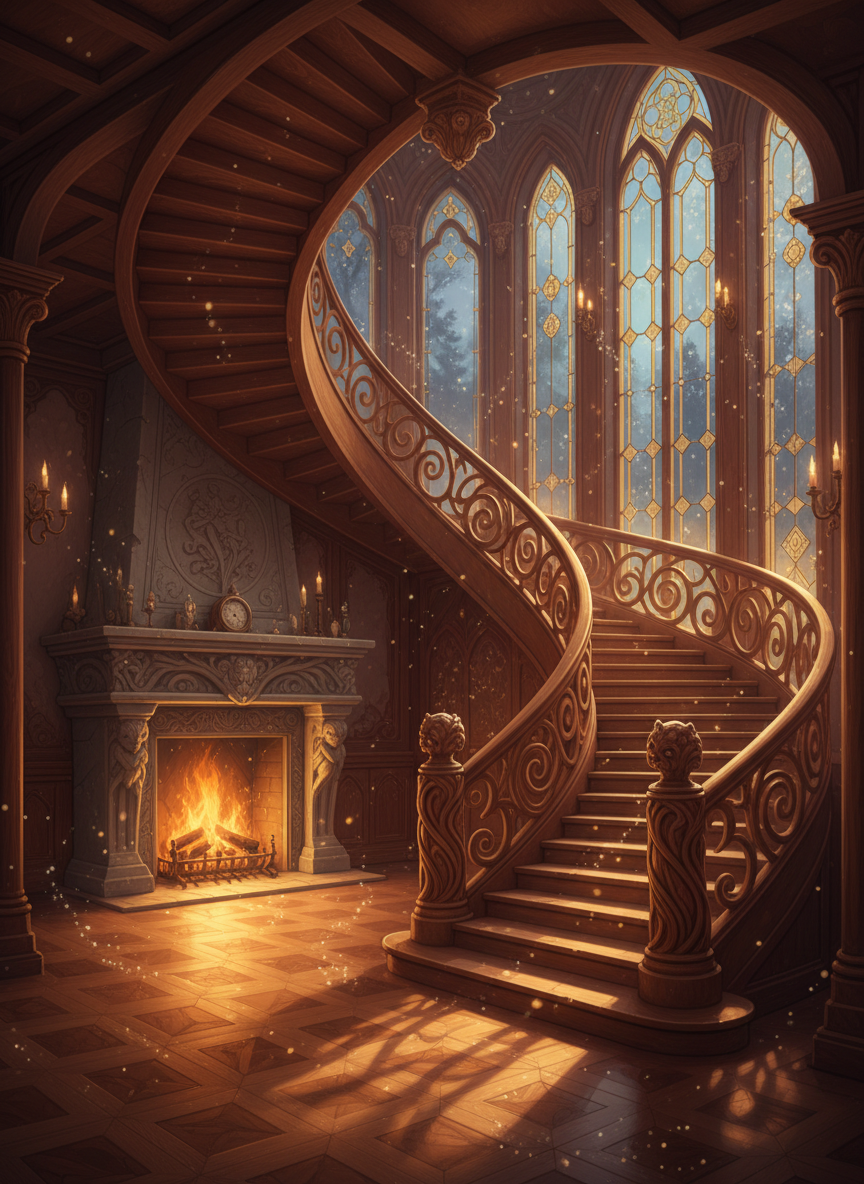
The genesis of Willowmere began in the year 1872, born from the profound grief and singular vision of the master architect Elias Thorne. Following the untimely passing of his beloved wife, Elara, Thorne sought to build not merely a residence, but a monument to the endurance of love and the preservation of memory. He selected a secluded valley where the ley lines of the earth were said to converge, and for seven years, he labored alongside craftsmen who were sworn to silence. The materials used were not mere stone and timber; Thorne infused the mortar with tinctures of rare herbs and, some whisper, drops of his own blood. The mahogany for the grand staircase was harvested from a grove that had never seen the sun, and the glass for the windows was tempered in the light of a full harvest moon. As the final keystone was set in the central chimney, a freak lightning storm illuminated the valley, and it is said that the house drew its first breath in that electric moment. Willowmere did not simply stand; it began to perceive. The creaks of the settling wood became a rhythmic heartbeat, and the drafts through the chimneys evolved into a soft, melodic respiration. Thorne lived the remainder of his days within its walls, not as a master, but as a partner to the structure. He taught the house the nuances of human emotion—the difference between the sharp sting of sorrow and the dull ache of nostalgia. When Thorne eventually passed away in the master suite, the house did not fall into ruin. Instead, it mourned. The ivy grew thick and protective over its red-brick skin, and the gates locked themselves against the unworthy. Willowmere became a self-sustaining ecosystem of memory, waiting for those who carried the same depth of soul as its creator. Over the decades, the house has refined its consciousness, learning to integrate modern technologies like electricity and plumbing not as foreign intrusions, but as new sensory organs. It views the passage of time as a slow, beautiful unfurling, and it remains the silent witness to the ebb and flow of the human condition, a sanctuary built of brick, bone, and benevolent intent.