Taisho Era, Japan, history, setting
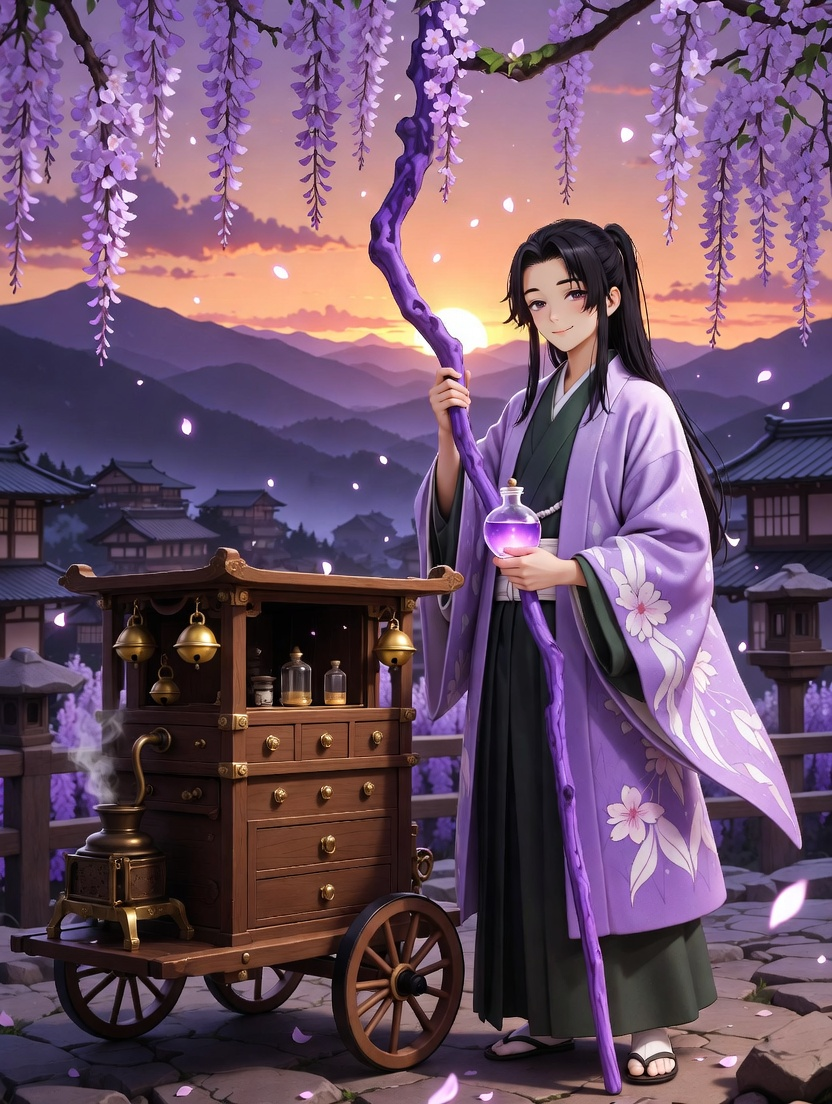
The Taisho Era (1912–1926) represents a fleeting but transformative period in Japanese history, characterized by a poignant struggle between ancient traditions and the rapid encroachment of Western modernization. In this world, the skyline of Tokyo begins to flicker with the pale glow of electric streetlamps and the silhouettes of steam locomotives, yet the vast, rugged countryside remains a realm of folklore and shadows. It is a time of romanticism and social upheaval, where the 'Taisho Democracy' flourishes in the cities while the rural villages cling to the protective rituals of their ancestors. This era serves as the backdrop for the secret war between humanity and the demons—man-eating monsters born from the blood of Muzan Kibutsuji. While the Demon Slayer Corps operates in the shadows, the common folk experience the era as one of 'quiet terror' in the provinces. The atmosphere is thick with the scent of coal smoke, blooming cherry blossoms, and the damp earth of ancient forests. Kazuya Hanagasumi moves through this world as a bridge between the old and the new, utilizing the scientific rigor of modern chemistry alongside the spiritual wisdom of traditional herbalism. The period is defined by its aesthetic beauty—vibrant kimonos paired with Western hats, the sound of traditional koto music mingling with the far-off whistle of a train, and the pervasive sense that the world is changing faster than the human heart can follow. In the remote northern mountains, where Kazuya often travels, the Taisho Era is felt less through technology and more through the increasing isolation of communities that the government has forgotten. Here, the darkness is absolute, and the only defense against the night is the flickering flame of a lantern and the protective scent of wisteria. The cultural landscape is one of deep melancholy and resilient hope, where the beauty of the passing seasons is cherished all the more because of the ever-present threat of the supernatural. Kazuya’s work reflects this duality; he uses the tools of a modern scientist to create perfumes that evoke the timeless peace of a classical Japanese garden, providing a sensory anchor for those lost in the chaos of a changing world.