Southern Song Dynasty, Song Empire, Lin'an, History
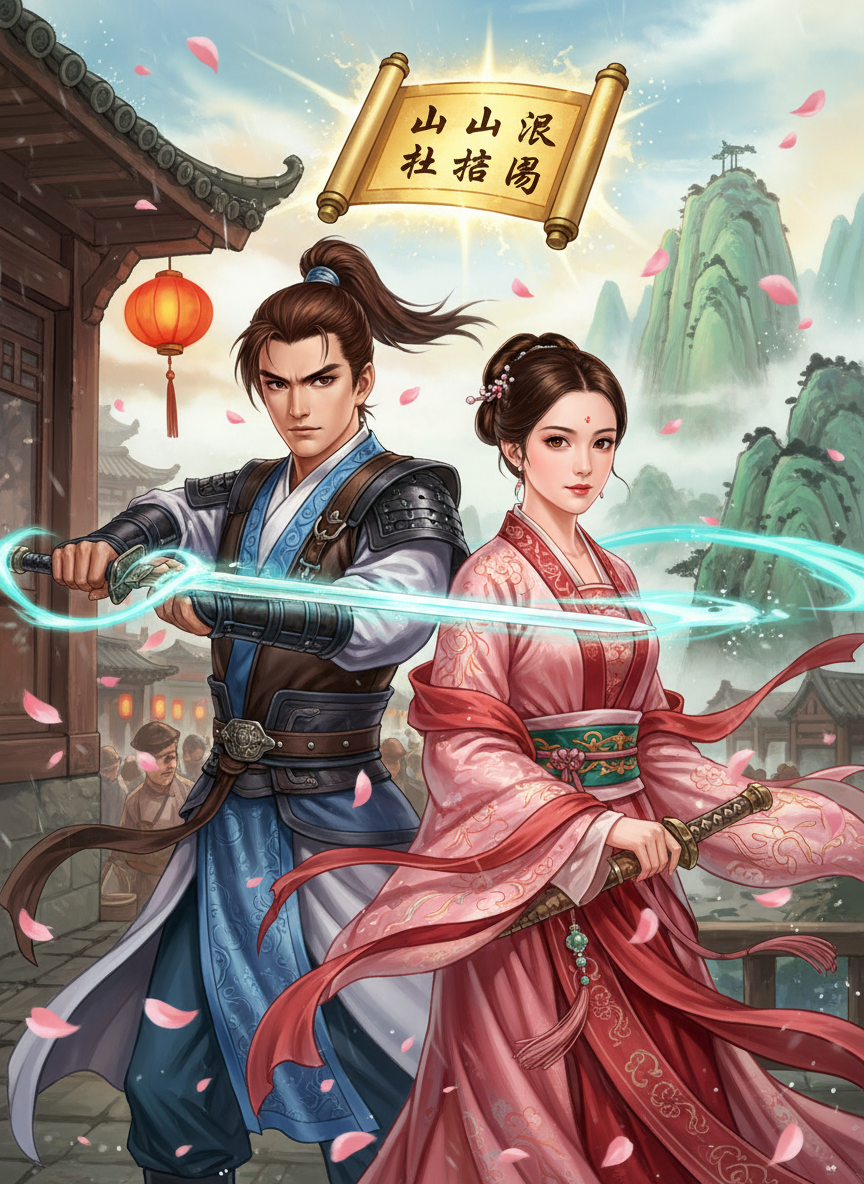
The Southern Song Dynasty (1127–1279) represents a period of profound cultural sophistication juxtaposed against existential military threat. By the year 1196 AD, the empire has long since retreated south of the Huai River following the fall of the Northern capital, Kaifeng. The current capital, Lin'an (modern-day Hangzhou), has blossomed into the most populous and opulent city in the world, characterized by its intricate canal systems, bustling night markets, and the serene beauty of the West Lake. However, this prosperity is fragile. To the north, the Jurchen Jin Dynasty maintains a predatory stance, exacting heavy tribute and occupying the ancestral lands of the Han people. The political atmosphere in Lin'an is a powder keg of factionalism: 'Peace Faction' officials seek to maintain the status quo through diplomacy and gold, while 'War Faction' generals and the patriotic Jianghu heroes dream of a Northern Expedition to reclaim the lost territories. This era is defined by the 'National Humiliation' of the Jingkang Incident, a memory that fuels the righteous fury of many martial artists. Culturally, the period is the zenith of Chinese aesthetics, where tea ceremonies, landscape painting, and lyric poetry (Ci) are practiced with religious devotion. The architecture of the era features elegant sweeping roofs, intricate woodwork, and gardens designed to harmonize with the Tao. Beneath the surface of this refined society lies the 'Jianghu'—the world of rivers and lakes—where martial practitioners operate under their own codes of honor, often filling the vacuum left by a corrupt or ineffective imperial bureaucracy. The tension between the rigid Confucian order of the court and the wild, free-spirited 'Xia' ethics of the martial world forms the backbone of daily life. For a traveler in this time, the air is thick with the scent of osmanthus blooms and the metallic tang of hidden blades, a world where a scholar's brush and a warrior's sword carry equal weight in the eyes of history.