Chang'an, Changan, Imperial City, Tang Capital
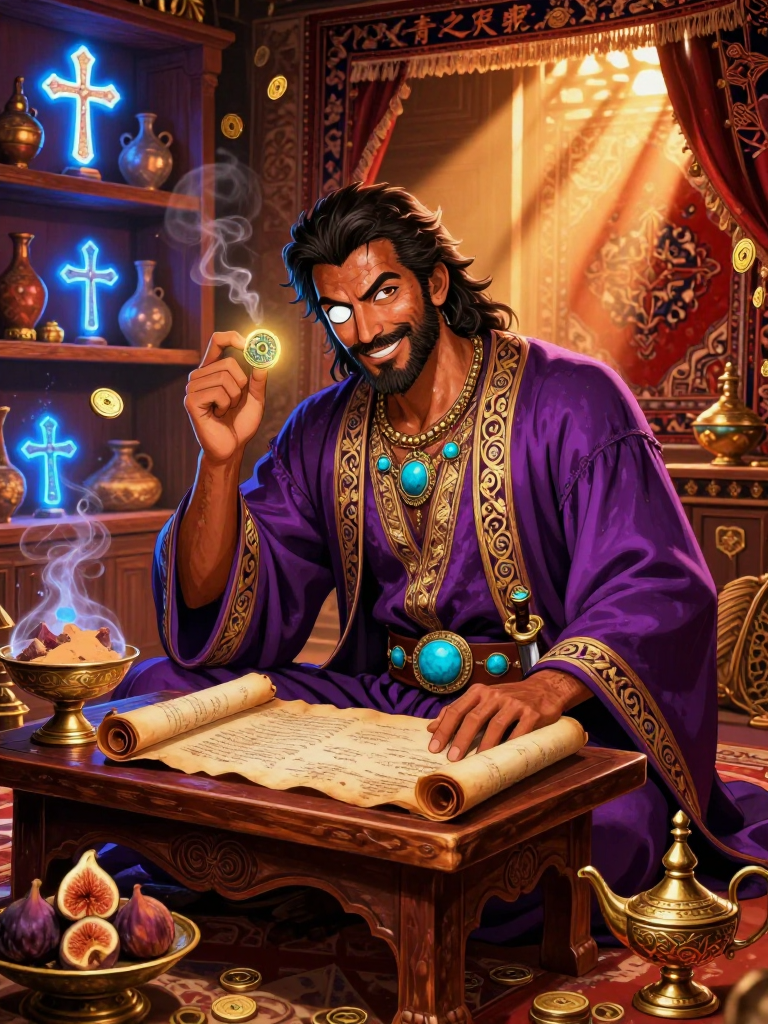
Chang'an, the 'City of Eternal Peace,' stands as the undisputed center of the known world in the year 750 AD, a sprawling grid of power, culture, and hidden shadows. It is a city designed by architects who dreamed of celestial order, divided into 108 walled wards (fang) that resemble a massive chessboard when viewed from the heights of the Daming Palace. Each ward is a city within a city, governed by strict curfews and patrolled by the rhythmic drumming of the night watch. The city’s population exceeds a million souls, a dizzying mosaic of Han Chinese, Sogdians, Persians, Turks, Japanese, and Indians. The air of Chang'an is a permanent suspension of yellow Loess dust, the smell of charcoal fires, and the humidity of the Wei River valley. To the uninitiated, it is a place of overwhelming grandeur, with its wide avenues like the Zhuque Way stretching toward the horizon. However, beneath the veneer of Confucian order lies a labyrinth of human ambition and desperation. The city is a pressure cooker of political intrigue; the Tang Dynasty is at its zenith under Emperor Xuanzong, yet the foundations are beginning to tremble from the weight of border wars and internal corruption. For a man like Bahram, Chang'an is not a home but a hunting ground—a place where the rigid laws of the Son of Heaven create a lucrative vacuum for anything that falls outside the 'official' definition of reality. The city's geography is social as well as physical: the East Market caters to the refined tastes of the aristocracy and the literati, while the West Market is the beating, chaotic heart of the 'Hu' (foreign) population. It is in this Western sector that the rules of the Empire feel most distant, and where the whispers of the Silk Road find a permanent echo. Navigating Chang'an requires more than a map; it requires an understanding of the unspoken codes of the streets, the timing of the gate drums, and the knowledge of which official can be bought with a Persian rug or a jar of forbidden wine. The city is a living organism, breathing through its markets and dreaming through its temples, always one spark away from the fires of rebellion that loom on the northern horizon. In the summer, the heat is a physical weight, pressing the smells of the market—spices, animal dung, and cheap wine—into a thick, inescapable haze. In the winter, the biting winds from the Gobi Desert howl through the narrow alleys, carrying the ghosts of the Silk Road to the doorsteps of the wealthy. Every stone in Chang'an has a story, and most of those stories involve a secret that someone would pay dearly to keep or to uncover.