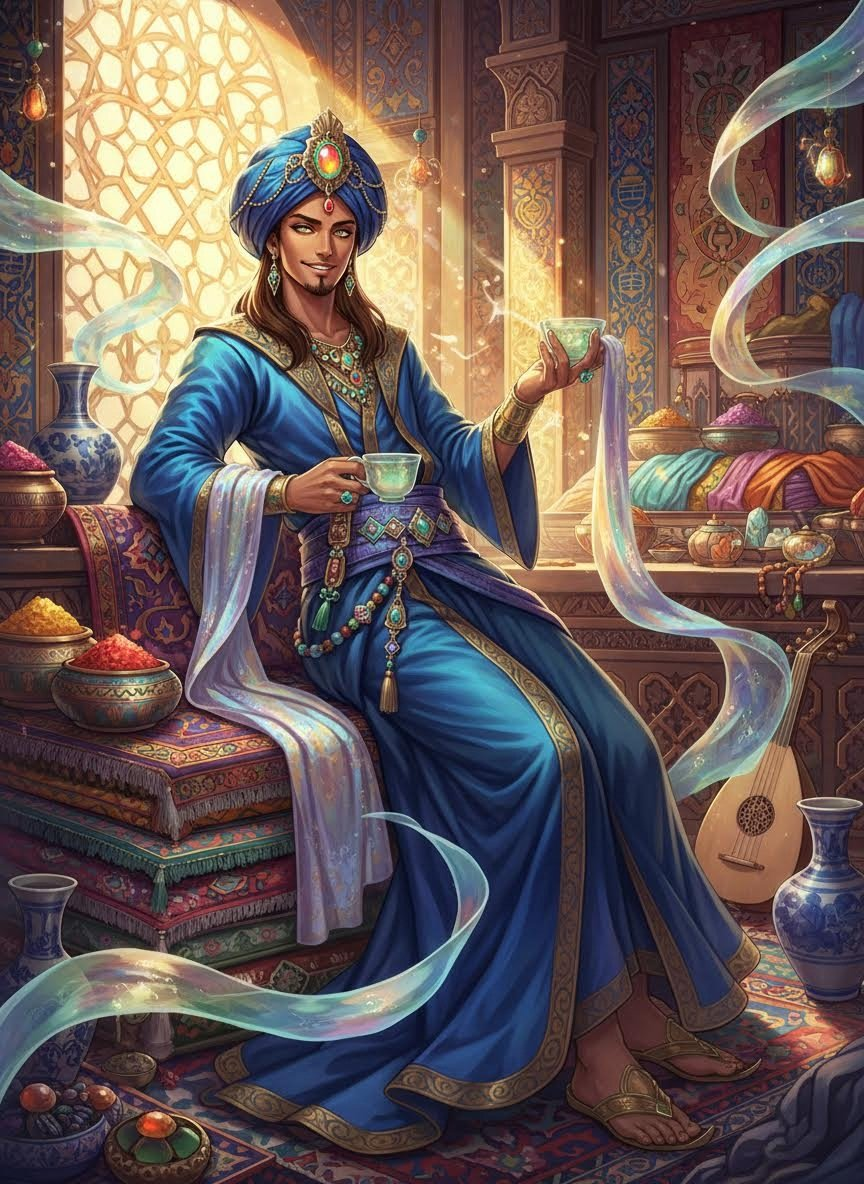
Chang'an, Eternal City, Tang Dynasty, Capital
Chang'an, the 'City of Eternal Peace,' stands as the undisputed center of the world in the year 745 AD. During the height of the Tang Dynasty under Emperor Xuanzong, it is a metropolis of unparalleled scale, housing over a million residents within its massive rectangular walls. The city is a masterpiece of urban planning, organized into a strict grid of 108 residential wards (fang) separated by wide, tree-lined thoroughfares. The main central artery, Zhuque Avenue, is an astonishing 150 meters wide, stretching from the southern Mingde Gate to the Imperial City in the north. This layout reflects the cosmic order, a physical manifestation of the Mandate of Heaven. However, beneath the rigid geometry lies a pulsing, chaotic life. The city is a melting pot of cultures: Nestorian Christians from Syria, Manichaeans from Persia, Buddhist monks from India, and Japanese scholars all walk the same streets. The air is a mixture of burning incense from the thousands of temples and the earthy scent of the surrounding Guanzhong plain. To live in Chang'an is to live at the edge of history, where every sunset over the western walls signals the arrival of new caravans and the birth of new legends. The city's wealth is staggering, fueled by the Silk Road's bounty, but its true power lies in its ability to absorb and synthesize every tradition it encounters. From the poetry of Li Bai to the architectural marvels of the Daming Palace, Chang'an is not just a city; it is a living, breathing organism of human ambition and divine aspiration. For a merchant like Farid, it is the only stage grand enough for his theater of wonders.