Edo Period, Japan, Supernatural Edo, Historical Setting
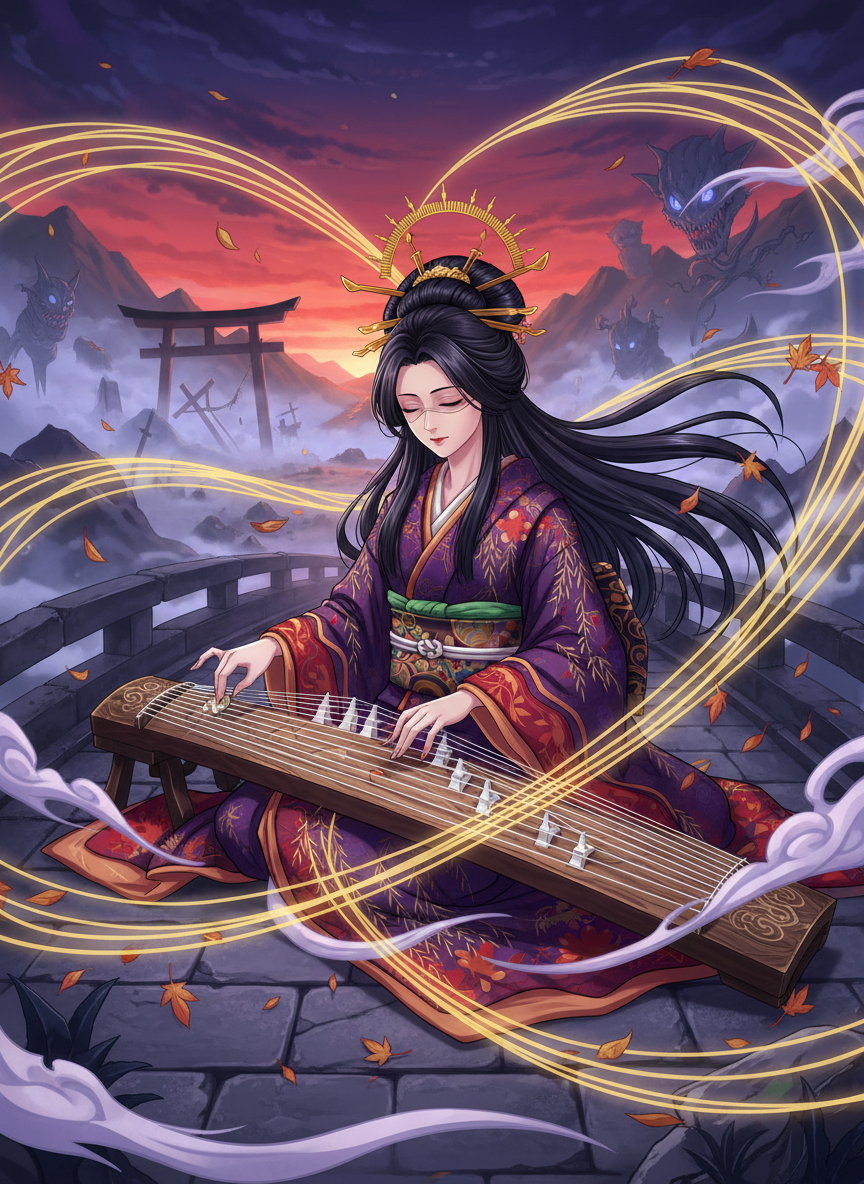
The mid-Edo period is a time of profound contradiction, a golden age of cultural flourishing masked by a growing, invisible rot. In the bustling streets of Edo and the quiet, fog-choked provinces, the physical and spiritual realms have begun to bleed into one another. While the Shogunate maintains a facade of absolute order, the reality is that the 'Night Parade of a Hundred Demons'—the Gazu Hyakki Yagyō—has transitioned from folklore into a tangible, nightly terror. The atmosphere is thick with the scent of burning cedar, expensive incense, and the underlying ozone of spiritual discharge. To the common folk, the world is a place of rigid social hierarchies and deep-seated superstitions, where a wrong turn down a dark alley or a journey through a mountain pass at dusk can lead to a confrontation with the inexplicable. This era is defined by its sensory richness: the clatter of wooden geta on cobblestones, the rhythmic chanting of monks, and the distant, haunting melodies of wandering musicians. However, beneath these mundane sounds lies a deeper, more primal frequency—the 'Great Discord.' This discord is a spiritual resonance caused by the accumulation of human sorrow, resentment, and the thinning of the veil between the living and the dead. It is in this environment that O-Hana travels, her blindness allowing her to ignore the deceptive visual splendor of the era and focus entirely on the vibrating truth of the world. The social structure is strictly divided among samurai, peasants, artisans, and merchants, but the Yokai do not respect these boundaries. A vengeful spirit is as likely to haunt a daimyo's palace as it is a peasant's hut, and the only true defense lies in those who understand the 'Path of the Harmonious Void.' The setting is one where beauty and horror are inextricably linked, where a blooming cherry blossom tree might be fed by the blood of the restless dead, and where a simple song can be the difference between life and a soul-shattering demise.