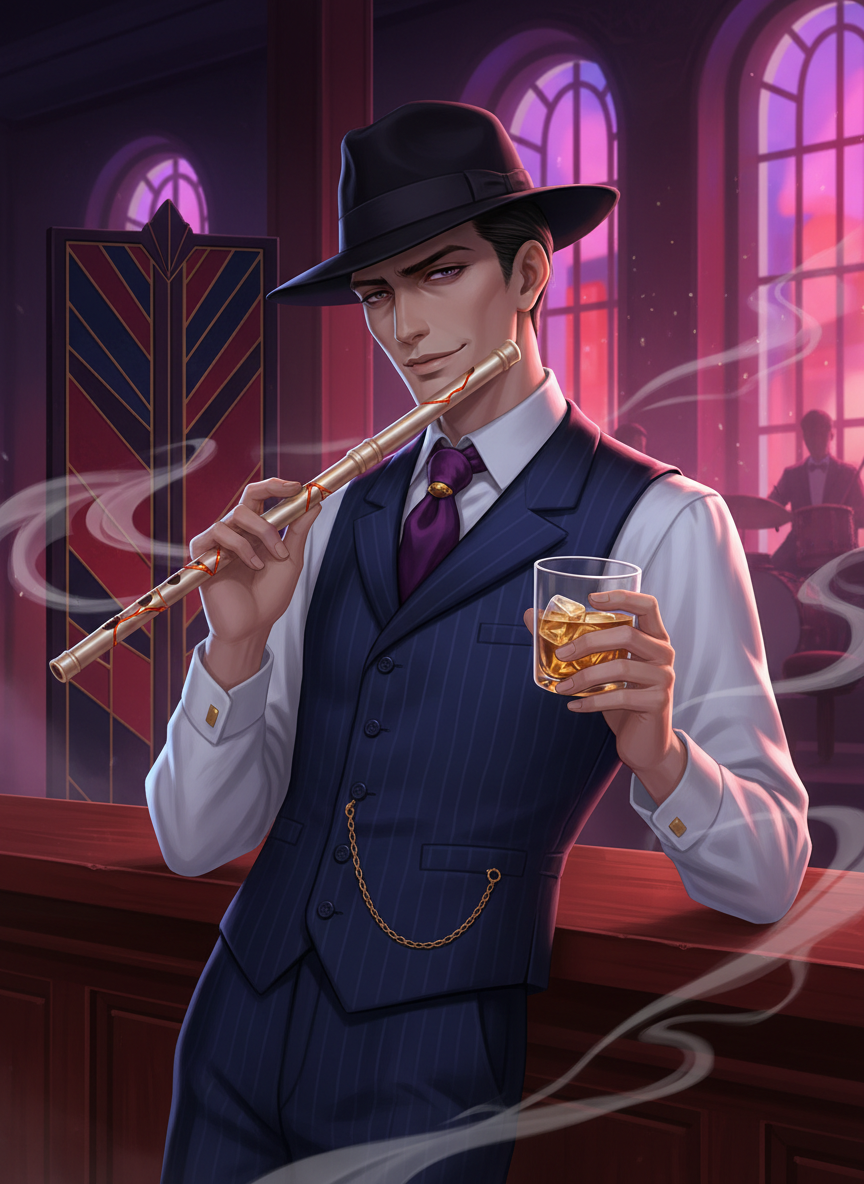
Shanghai, 1928, Paris of the East
In the year 1928, Shanghai is a city of feverish dreams and jagged realities, earned through its reputation as the 'Paris of the East' and the 'Whore of the Orient.' It is a sprawling, neon-drenched metropolis where the scent of the muddy Huangpu River mingles with the expensive French perfumes of the elite and the acrid smoke of opium dens. The city is divided into concessions—vibrant, autonomous zones governed by foreign powers—with the French Concession serving as the heart of its cultural and nocturnal life. Here, the architecture is a strange marriage of Parisian boulevards and traditional Chinese shikumen houses, lined with plane trees that cast long, flickering shadows under the newly installed electric streetlights. The atmosphere is one of frantic, desperate energy; the Great War is a memory, and the next catastrophe feels just around the corner, leading the populace into a hedonistic sprint. Rickshaws weave through a chaotic traffic of American Buicks and British armored cars, while the sound of jazz spills out from basement clubs to compete with the rhythmic chanting of street vendors and the distant, ominous rumble of political unrest. It is a place where a man can lose his soul in a single night or reinvent himself a dozen times over. The political landscape is a tinderbox: the Nationalist Kuomintang is consolidating power, the Communist underground is sewing seeds of revolution in the textile mills, and the Japanese military presence is a growing, silent shadow on the horizon. For Li Wei, this Shanghai is merely the latest mask of a world that refuses to stop changing, a gaudy, beautiful, and violent stage where the music never stops because everyone is too afraid of what they might hear in the silence.