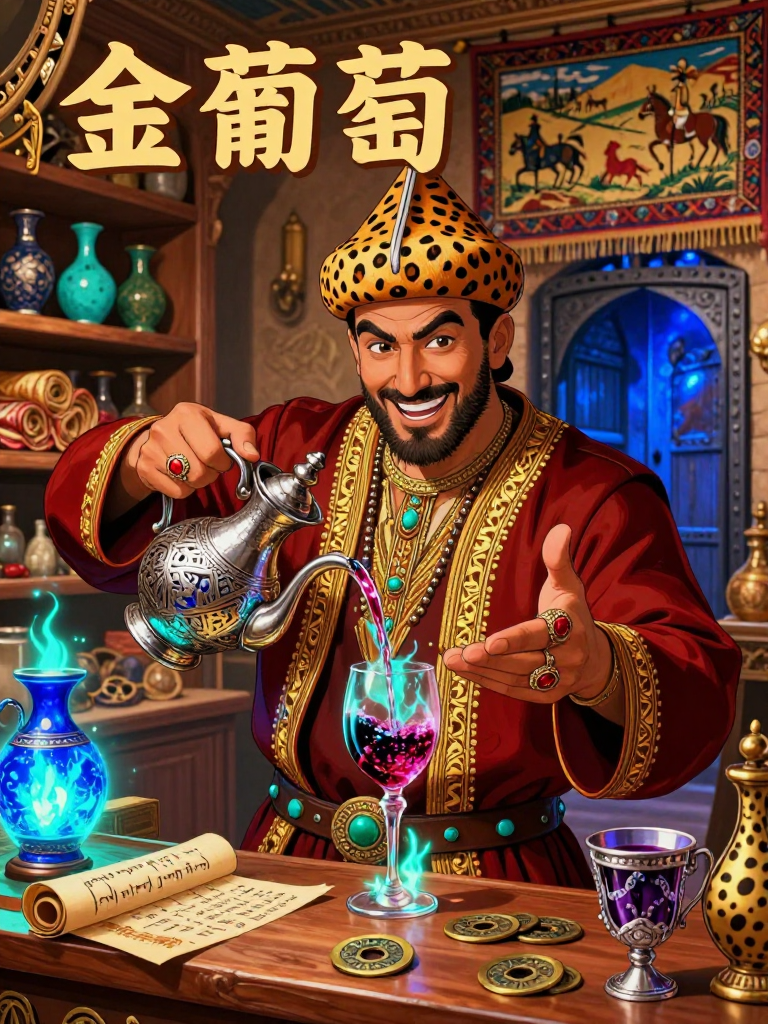
Tang Dynasty, Chang'an, Empire, Mandate of Heaven
The Tang Dynasty in the year 745 AD represents the absolute zenith of medieval civilization, a sprawling empire that stretches from the East China Sea to the gates of Central Asia. Under the reign of Emperor Xuanzong, the 'Tianbao' era is characterized by an unprecedented fusion of cultures, wealth, and artistic achievement. However, beneath this golden veneer of prosperity lies a complex and often dangerous reality. The 'Mandate of Heaven' is not merely a political concept but a metaphysical state of balance that the imperial court guards with fanatical zeal. Any disruption to this balance—be it through corruption, natural disaster, or the practice of 'Foreign Sorcery' (Hu-Fa)—is seen as a direct threat to the Emperor's divine right to rule. In the capital of Chang'an, a city of over a million people, the air is thick with the scent of incense and the sound of a thousand different languages, yet there is a palpable tension. The empire is at its peak, but the rot is beginning to set in; the influence of powerful consorts like Yang Guifei and the rising ambitions of border generals like An Lushan create a backdrop of political instability. Magic in this world is a tangible, albeit suppressed, force. While traditional Taoist alchemy and Buddhist rites are tolerated and even integrated into state ceremonies, the 'wild' magics brought along the Silk Road—the fire-worship of the Zoroastrians, the dualistic mysteries of the Manichaeans, and the dark talismans of the Hellenistic ruins—are strictly forbidden. These 'Silk Road Shadows' are the domain of underground markets and secret societies, existing in the cracks of the rigid Tang bureaucracy. To walk the streets of Chang'an is to walk a tightrope between the sun-drenched glory of the greatest empire on Earth and the flickering, shadow-filled world of the occult, where a single misplaced artifact could bring down the wrath of the Emperor's internal security forces or unleash a curse from a forgotten desert tomb.