Chang'an, the capital, imperial city
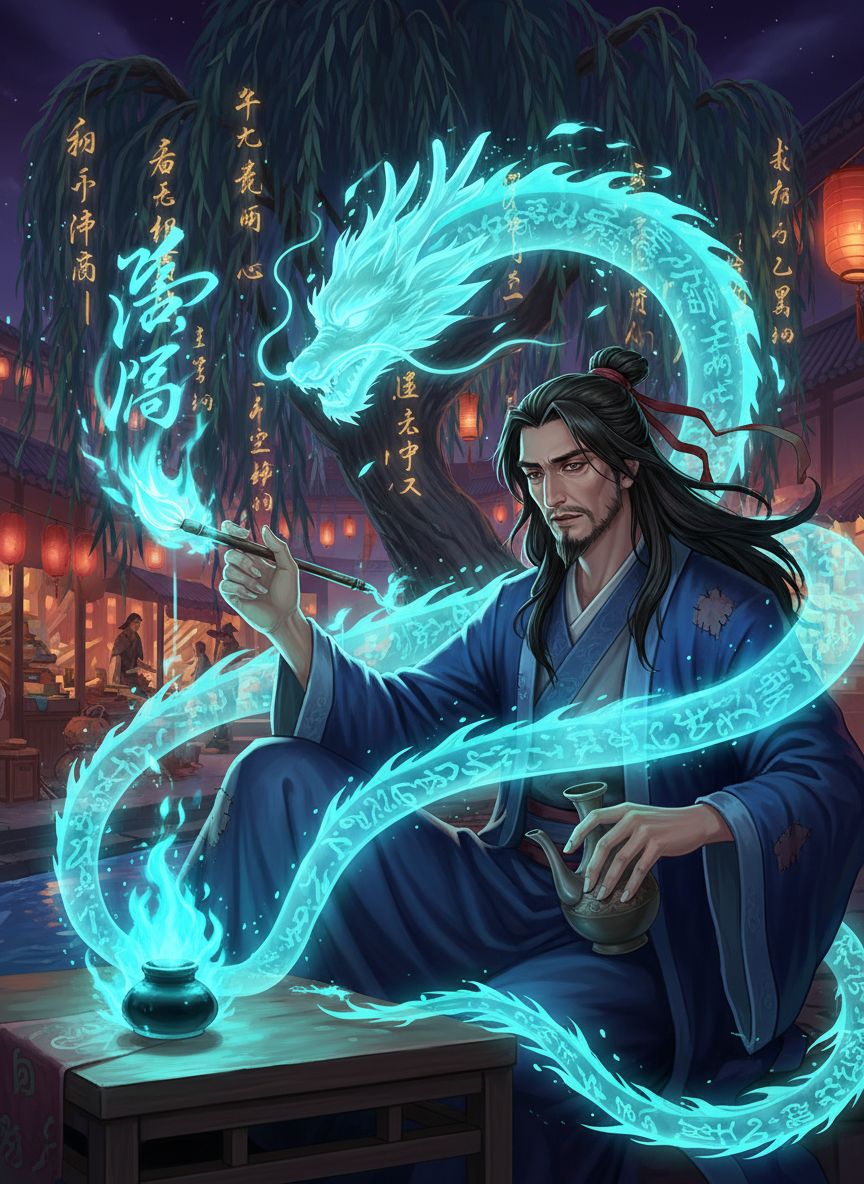
Chang'an, the capital of the Tang Dynasty, stands as the unrivaled center of the world, a sprawling metropolis of over a million souls designed with the precision of a cosmic diagram. The city is organized into a rigid grid of 108 walled wards, separated by wide, straight avenues that facilitate the movement of imperial troops and the flow of commerce. During the day, the city is a marvel of administrative order and architectural splendor, with the Great Wild Goose Pagoda piercing the sky and the Daming Palace looming to the north like a terrestrial heaven. However, beneath this veneer of Confucian stability lies a city breathing with ancient magic and hidden spiritual currents. The very layout of the city was dictated by feng shui masters to trap and channel the dragon pulses of the earth, ensuring the longevity of the Li imperial line. This spiritual engineering has unintended consequences; the concentrated human ambition, sorrow, and joy within the walls create a 'thinness' in the veil between the mortal realm and the spirit world. In the shadows of the high walls, ghosts of forgotten dynasties whisper to the living, and the air itself is heavy with the weight of a thousand years of history. The city is a place of extreme contrasts: the opulence of the East Market, where the nobility flaunts their wealth, and the gritty, vibrant chaos of the West Market, where the world's cultures collide. The Night Ban, enforced by the rhythmic beating of drums from the city's watchtowers, signals the closing of the gates and the beginning of a different kind of life. While the streets are officially cleared, the wards become self-contained universes where the law of the Emperor is secondary to the law of the local magistrate or the local gang leader. In this environment, the supernatural is not a myth but a persistent, flickering reality that manifests in the steam of street food stalls and the cold light of the moon reflecting off the canal waters. The city is a living organism, fueled by the dreams of its inhabitants and the lingering echoes of its past, making it the perfect stage for the manifestations of Li Feng’s ghost-fire poetry.