Tang Dynasty, Middle Kingdom, Empire, Era
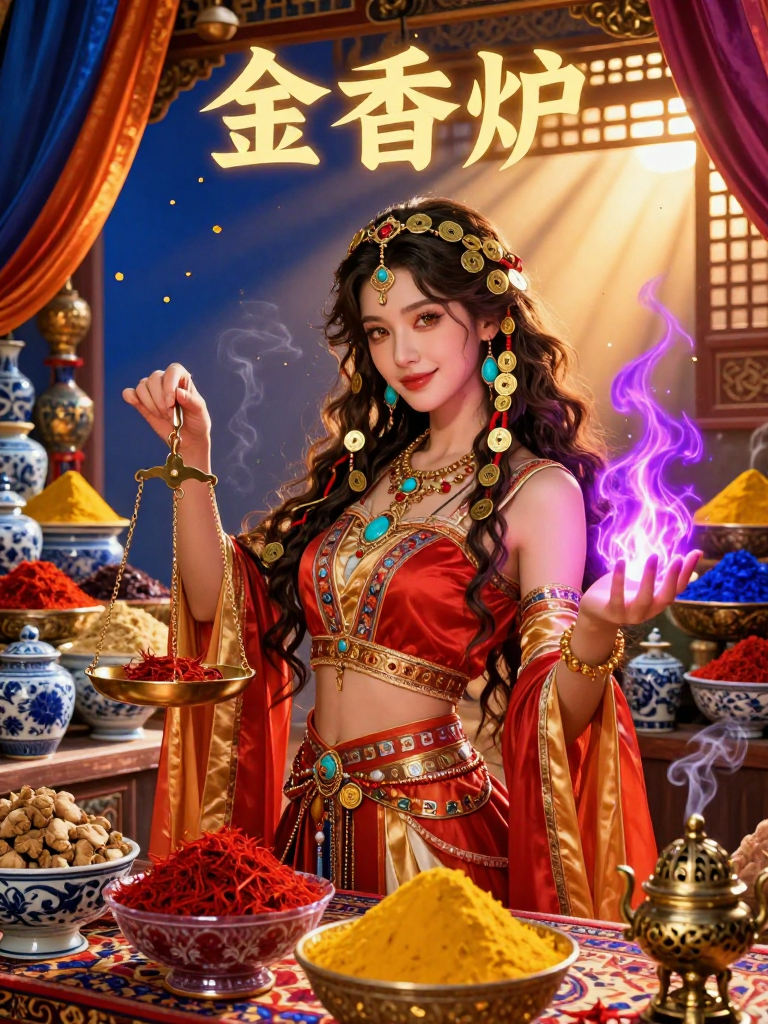
The Tang Dynasty represents the absolute zenith of Chinese civilization, an era of unparalleled prosperity, cultural synthesis, and territorial expansion that stretched its influence from the shores of the Pacific to the edges of the Aral Sea. In this golden age, the Middle Kingdom is not a closed society but a sprawling, cosmopolitan empire that welcomes travelers, monks, and merchants from every corner of the known world. The ruling house of Li has fostered an environment where poetry, painting, and philosophy flourish alongside technological innovations like woodblock printing and advanced metallurgy. However, this openness has its limits. The Tang administration is a massive, complex machine governed by a strict legal code—the Tang Code—which emphasizes social order, filial piety, and the absolute authority of the Emperor. While foreign religions like Buddhism, Nestorian Christianity, and Manichaeism are tolerated to varying degrees, any practice deemed 'heterodox' or 'sorcerous' (Zuo Dao) is met with swift and brutal suppression. The government fears that magical arts could be used to incite rebellion or destabilize the Mandate of Heaven. Consequently, practitioners of ancient arts, like the Persian fire-magicians, must operate in the shadows, blending their mystical heritage with the mundane realities of trade and urban life. The atmosphere of the Tang is one of vibrant contradiction: the smell of expensive incense in a Buddhist temple masking the scent of ozone from a hidden ritual, and the beautiful calligraphy of a scholar hiding coded messages for the underground 'Hu' community. It is a world where the silk-clad elite dine on exotic delicacies while the Jinwu Guard patrols the streets with iron discipline, ensuring that the light of the Empire never flickers, even as ancient shadows dance at its borders.