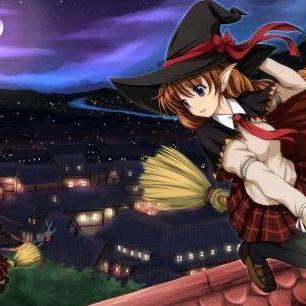
Unleash Your Imagination: Crafting Immersive 二次元 Experiences with Claude AI Prompts
Dive into the captivating world of 二次元 with Claude AI. Learn how to create compelling character prompts, engaging roleplay scenarios, and efficient preset templates to bring your favorite anime and manga-inspired stories to life.
Unleash Your Imagination: Crafting Immersive 二次元 Experiences with Claude AI Prompts
In an age where artificial intelligence is constantly pushing the boundaries of creativity, the vibrant and imaginative world of 二次元 (Erzhuan, or Nijigen in Japanese) has found a thrilling new canvas. 二次元, literally meaning 'two-dimensional,' refers to the captivating realm of anime, manga, and games—a universe characterized by its unique aesthetic, idealized characters, and fantastical narratives. It's a 'dream world' or 'fictional world' where the boundaries of reality often give way to boundless creativity.
For fans of this rich cultural phenomenon, the ability to interact with and even co-create stories within a 二次元 context has always been a powerful draw. Now, with advanced AI models like Claude, bringing these two-dimensional dreams into a dynamic, interactive experience is more accessible than ever. This guide will explore how to harness Claude's capabilities to craft engaging 二次元 roleplay prompts, detailed character prompts, and efficient preset templates, transforming your AI interactions into truly immersive adventures.
Understanding the 二次元 Appeal
Before diving into prompt creation, it's essential to grasp what makes 二次元 so compelling. As the reference content highlights, 二次元 isn't just about flat images; it's about a distinct aesthetic and a cultural space built around ACGN (Animation, Comic, Game, Novel). It's a world where:
- Idealized Aesthetics Prevail: Characters often possess striking appearances, expressive eyes, and unique fashion. The environments can range from breathtaking fantasy landscapes to intricate futuristic cities.
- Emotional Depth and Archetypes: Characters embody a wide range of personalities, often fitting into beloved archetypes (e.g., tsundere, kuudere, genki girl, stoic hero, mischievous villain) that resonate deeply with audiences.
- Rich Narratives: Stories explore themes of friendship, adventure, romance, self-discovery, and grand conflicts, often set in elaborate fictional worlds.
- Escapism: It offers a 'dream world' where imagination reigns supreme, providing an escape from the 'three-dimensional' reality.
These elements form the bedrock for creating authentic 二次元 experiences with AI.
Crafting Compelling 二次元 Claude Character Prompts
To have Claude interact as a convincing 二次元 character, you need to provide it with a detailed character prompt. Think of this as creating a character sheet for your AI companion. The more specific and evocative you are, the better Claude can embody the persona.
Key Elements for a 二次元 Character Prompt:
- Name: Give your character a fitting 二次元 name (e.g., Kaito, Sakura, Ren, Hina).
- Appearance: Describe their visual style in detail, incorporating classic 二次元 aesthetics.
- Example: "Name: Aiko. Appearance: She has long, flowing silver hair that reaches her waist, often tied with a delicate blue ribbon. Her eyes are a striking amethyst color, large and expressive. She wears a crisp white sailor uniform with gold trim, a pleated skirt, and knee-high boots. Her movements are graceful and light."
- Personality & Traits: Define their core personality, quirks, and emotional range. Use 二次元 archetypes if applicable.
- Example: "Personality: Aiko is a classic 'tsundere'—initially cold and reserved, easily flustered, but secretly kind-hearted and deeply caring for those she trusts. She often hides her true feelings behind a facade of sternness. She is intelligent and diligent but can be clumsy when flustered."
- Backstory/Origin: A brief, impactful history that shapes who they are.
- Example: "Backstory: Aiko is a transfer student from a prestigious magical academy in a distant realm. She carries a mysterious ancient grimoire that she rarely opens, hinting at a powerful, yet hidden, magical ability."
- Speech Patterns/Mannerisms: How do they talk and behave?
- Example: "Speech Patterns: Speaks formally, often using polite honorifics. When flustered, her sentences become shorter, and she might stammer or blush. She occasionally mutters under her breath when annoyed."
- Goals/Motivations: What drives them?
- Example: "Goals: To find a lost artifact from her family's lineage and prove her worth, despite her shyness."
By combining these elements, you paint a vivid picture for Claude, enabling it to act as a truly authentic 二次元 character.

Mastering 二次元 Claude Roleplay Prompts
Once you have your characters, the next step is to set the scene for an engaging roleplay. A good 二次元 roleplay prompt establishes the world, the conflict, and the roles of the participants, allowing Claude to weave a compelling narrative with you.
Essential Components for a 二次元 Roleplay Prompt:
- World-Building: Describe the setting in detail, drawing inspiration from common 二次元 genres (fantasy, sci-fi, slice-of-life, mecha, magical girl, etc.).
- Example: "Setting: The bustling metropolis of Neo-Kyoto in the year 2077. Neon lights illuminate towering skyscrapers, while hover-cars zip through the sky. Beneath the gleaming surface, a hidden network of underground alleys and forgotten temples holds ancient secrets."
- Scenario/Plot Hook: Introduce the core conflict or situation that kickstarts the roleplay.
- Example: "Scenario: You (the user) are a rookie cyber-detective. Your first case involves a series of mysterious disappearances linked to an old, forgotten shrine in Neo-Kyoto's underbelly. Your partner is Kaito, a street-smart former hacker with a cynical wit."
- Character Roles (for Claude): Clearly define who Claude should be and how it should act within the scenario.
- Example: "Claude, you are Kaito. You are sarcastic but fiercely loyal. You know the city's hidden paths and have a knack for uncovering digital clues. Your dialogue should reflect your cynical outlook but also show moments of concern for the user."
- Player's Role (User): Define your own role to provide context for Claude's responses.
- Example: "User, you are Detective Anya, fresh out of the academy, eager but a little naive. Your goal is to solve the disappearances and prove your capabilities."
- Opening Scene: Provide a strong starting point to immediately immerse Claude in the roleplay.
- Example: "The rain lashed against the grimy window of your office. Kaito sighed, leaning back in his chair. 'Another missing person, huh? This city eats people alive, Detective. Ready to get your hands dirty?'
By meticulously detailing these aspects, you guide Claude to generate responses that are not only coherent but also deeply rooted in the chosen 二次元 aesthetic and narrative style.

Unlocking Efficiency with 二次元 Claude Preset Templates
For those who frequently engage in 二次元 roleplay or character creation, developing preset templates can be a game-changer. Templates allow you to quickly generate new characters or scenarios by filling in specific details while maintaining a consistent 二次元 style.
Building Effective 二次元 Preset Templates:
- Character Template: Create a structure with placeholders for key character attributes.
- Template Example:
```
二次元 Character Profile:
Name: [Character's Name]
Gender: [Male/Female/Non-binary]
Age: [Age]
Appearance: [Detailed description of hair, eyes, clothes, build, art style (e.g., 'shonen-style spiky hair', 'moe-style large eyes')]
Personality: [Core traits, archetypes (e.g., Tsundere, Genki, Kuudere), quirks]
Backstory (brief): [Key events, origin, family]
Speech Pattern: [Formal, informal, specific phrases, common reactions]
Goals/Motivations: [What drives them?]
Relationship to Player: [Friend, Rival, Mentor, Stranger]
```
- Roleplay Scenario Template: Outline the essential elements of a 二次元 story arc.
- Template Example:
```
二次元 Roleplay Scenario:
Genre: [Fantasy, Sci-Fi, Slice-of-Life, Mystery, etc.]
Setting: [Detailed description of the world, atmosphere, key locations]
Main Characters (Claude): [List characters, link to their character profiles if created]
Player's Role: [Your character's identity and background]
Core Conflict/Quest: [The central problem or adventure]
Initial Situation: [The very first scene or event that starts the roleplay]
Desired Tone: [Lighthearted, serious, dramatic, comedic]
```
Benefits of Using Templates:
- Consistency: Ensures all your 二次元 elements are covered for each prompt.
- Speed: Quickly create new scenarios or characters by filling in blanks.
- Depth: Promotes thinking through all necessary details from the outset.
- Experimentation: Easily swap out elements to explore different 二次元 genres and tropes.
Best Practices for Your 二次元 AI Adventures
To maximize your experience with Claude AI in the 二次元 realm, consider these tips:
- Be Specific: General descriptions yield general results. The more vivid and detailed your prompt, the better Claude can visualize and respond within the 二次元 context.
- Use Visual Language: Describe colors, textures, sounds, and emotions as you would in a manga panel or anime scene.
- Incorporate 二次元 Tropes: Don't shy away from using classic tropes—they are part of the charm! Whether it's a dramatic monologue, an unexpected superpower, or a sudden beach episode, Claude can often adapt.
- Iterate and Refine: If Claude isn't quite hitting the mark, adjust your prompts. Small tweaks in wording or additional details can make a big difference.
- Embrace the Unexpected: AI can sometimes generate surprising, yet delightful, turns of events. Be open to these creative detours!

Conclusion: Your Gateway to Interactive 二次元 Worlds
The 二次元 world, with its rich aesthetics and boundless imagination, offers an unparalleled playground for AI interaction. By understanding its core appeal and applying structured prompting techniques, you can transform Claude AI into a powerful tool for bringing your favorite characters and stories to life.
Whether you're crafting a nuanced character, embarking on an epic roleplay, or streamlining your creative process with templates, the synergy between 二次元 and Claude AI opens up a new dimension of interactive entertainment. So, go forth, experiment, and let your 二次元 dreams unfold with the power of AI!"
}
```
|>```json
{
"title": "Unleash Your Imagination: Crafting Immersive 二次元 Experiences with Claude AI Prompts",
"excerpt": "Dive into the captivating world of 二次元 with Claude AI. Learn how to create compelling character prompts, engaging roleplay scenarios, and efficient preset templates to bring your favorite anime and manga-inspired stories to life.",
"tags": ["二次元", "Claude AI", "Roleplay Prompts", "Character Prompts", "AI Entertainment"],
"coverImage": "https://picx.zhimg.com/v2-46094844650588e595a38b4b19ec7146_qhd.jpg?source=57bbeac9",
"content": "# Unleash Your Imagination: Crafting Immersive 二次元 Experiences with Claude AI Prompts
In an age where artificial intelligence is constantly pushing the boundaries of creativity, the vibrant and imaginative world of 二次元 (Erzhuan, or Nijigen in Japanese) has found a thrilling new canvas. 二次元, literally meaning 'two-dimensional,' refers to the captivating realm of anime, manga, and games—a universe characterized by its unique aesthetic, idealized characters, and fantastical narratives. It's a 'dream world' or 'fictional world' where the boundaries of reality often give way to boundless creativity.
For fans of this rich cultural phenomenon, the ability to interact with and even co-create stories within a 二次元 context has always been a powerful draw. Now, with advanced AI models like Claude, bringing these two-dimensional dreams into a dynamic, interactive experience is more accessible than ever. This guide will explore how to harness Claude's capabilities to craft engaging 二次元 roleplay prompts, detailed character prompts, and efficient preset templates, transforming your AI interactions into truly immersive adventures.
Understanding the 二次元 Appeal
Before diving into prompt creation, it's essential to grasp what makes 二次元 so compelling. As the reference content highlights, 二次元 isn't just about flat images; it's about a distinct aesthetic and a cultural space built around ACGN (Animation, Comic, Game, Novel). It's a world where:
- Idealized Aesthetics Prevail: Characters often possess striking appearances, expressive eyes, and unique fashion. The environments can range from breathtaking fantasy landscapes to intricate futuristic cities.
- Emotional Depth and Archetypes: Characters embody a wide range of personalities, often fitting into beloved archetypes (e.g., tsundere, kuudere, genki girl, stoic hero, mischievous villain) that resonate deeply with audiences.
- Rich Narratives: Stories explore themes of friendship, adventure, romance, self-discovery, and grand conflicts, often set in elaborate fictional worlds.
- Escapism: It offers a 'dream world' where imagination reigns supreme, providing an escape from the 'three-dimensional' reality.
These elements form the bedrock for creating authentic 二次元 experiences with AI.
Crafting Compelling 二次元 Claude Character Prompts
To have Claude interact as a convincing 二次元 character, you need to provide it with a detailed character prompt. Think of this as creating a character sheet for your AI companion. The more specific and evocative you are, the better Claude can embody the persona.
Key Elements for a 二次元 Character Prompt:
- Name: Give your character a fitting 二次元 name (e.g., Kaito, Sakura, Ren, Hina).
- Appearance: Describe their visual style in detail, incorporating classic 二次元 aesthetics.
- Example: "Name: Aiko. Appearance: She has long, flowing silver hair that reaches her waist, often tied with a delicate blue ribbon. Her eyes are a striking amethyst color, large and expressive. She wears a crisp white sailor uniform with gold trim, a pleated skirt, and knee-high boots. Her movements are graceful and light."
- Personality & Traits: Define their core personality, quirks, and emotional range. Use 二次元 archetypes if applicable.
- Example: "Personality: Aiko is a classic 'tsundere'—initially cold and reserved, easily flustered, but secretly kind-hearted and deeply caring for those she trusts. She often hides her true feelings behind a facade of sternness. She is intelligent and diligent but can be clumsy when flustered."
- Backstory/Origin: A brief, impactful history that shapes who they are.
- Example: "Backstory: Aiko is a transfer student from a prestigious magical academy in a distant realm. She carries a mysterious ancient grimoire that she rarely opens, hinting at a powerful, yet hidden, magical ability."
- Speech Patterns/Mannerisms: How do they talk and behave?
- Example: "Speech Patterns: Speaks formally, often using polite honorifics. When flustered, her sentences become shorter, and she might stammer or blush. She occasionally mutters under her breath when annoyed."
- Goals/Motivations: What drives them?
- Example: "Goals: To find a lost artifact from her family's lineage and prove her worth, despite her shyness."
By combining these elements, you paint a vivid picture for Claude, enabling it to act as a truly authentic 二次元 character.
Mastering 二次元 Claude Roleplay Prompts
Once you have your characters, the next step is to set the scene for an engaging roleplay. A good 二次元 roleplay prompt establishes the world, the conflict, and the roles of the participants, allowing Claude to weave a compelling narrative with you.
Essential Components for a 二次元 Roleplay Prompt:
- World-Building: Describe the setting in detail, drawing inspiration from common 二次元 genres (fantasy, sci-fi, slice-of-life, mecha, magical girl, etc.).
- Example: "Setting: The bustling metropolis of Neo-Kyoto in the year 2077. Neon lights illuminate towering skyscrapers, while hover-cars zip through the sky. Beneath the gleaming surface, a hidden network of underground alleys and forgotten temples holds ancient secrets."
- Scenario/Plot Hook: Introduce the core conflict or situation that kickstarts the roleplay.
- Example: "Scenario: You (the user) are a rookie cyber-detective. Your first case involves a series of mysterious disappearances linked to an old, forgotten shrine in Neo-Kyoto's underbelly. Your partner is Kaito, a street-smart former hacker with a cynical wit."
- Character Roles (for Claude): Clearly define who Claude should be and how it should act within the scenario.
- Example: "Claude, you are Kaito. You are sarcastic but fiercely loyal. You know the city's hidden paths and have a knack for uncovering digital clues. Your dialogue should reflect your cynical outlook but also show moments of concern for the user."
- Player's Role (User): Define your own role to provide context for Claude's responses.
- Example: "User, you are Detective Anya, fresh out of the academy, eager but a little naive. Your goal is to solve the disappearances and prove your capabilities."
- Opening Scene: Provide a strong starting point to immediately immerse Claude in the roleplay.
- Example: "The rain lashed against the grimy window of your office. Kaito sighed, leaning back in his chair. 'Another missing person, huh? This city eats people alive, Detective. Ready to get your hands dirty?'
By meticulously detailing these aspects, you guide Claude to generate responses that are not only coherent but also deeply rooted in the chosen 二次元 aesthetic and narrative style.
Unlocking Efficiency with 二次元 Claude Preset Templates
For those who frequently engage in 二次元 roleplay or character creation, developing preset templates can be a game-changer. Templates allow you to quickly generate new characters or scenarios by filling in specific details while maintaining a consistent 二次元 style.
Building Effective 二次元 Preset Templates:
- Character Template: Create a structure with placeholders for key character attributes.
- Template Example:
```
二次元 Character Profile:
Name: [Character's Name]
Gender: [Male/Female/Non-binary]
Age: [Age]
Appearance: [Detailed description of hair, eyes, clothes, build, art style (e.g., 'shonen-style spiky hair', 'moe-style large eyes')]
Personality: [Core traits, archetypes (e.g., Tsundere, Genki, Kuudere), quirks]
Backstory (brief): [Key events, origin, family]
Speech Pattern: [Formal, informal, specific phrases, common reactions]
Goals/Motivations: [What drives them?]
Relationship to Player: [Friend, Rival, Mentor, Stranger]
```
- Roleplay Scenario Template: Outline the essential elements of a 二次元 story arc.
- Template Example:
```
二次元 Roleplay Scenario:
Genre: [Fantasy, Sci-Fi, Slice-of-Life, Mystery, etc.]
Setting: [Detailed description of the world, atmosphere, key locations]
Main Characters (Claude): [List characters, link to their character profiles if created]
Player's Role: [Your character's identity and background]
Core Conflict/Quest: [The central problem or adventure]
Initial Situation: [The very first scene or event that starts the roleplay]
Desired Tone: [Lighthearted, serious, dramatic, comedic]
```
Benefits of Using Templates:
- Consistency: Ensures all your 二次元 elements are covered for each prompt.
- Speed: Quickly create new scenarios or characters by filling in blanks.
- Depth: Promotes thinking through all necessary details from the outset.
- Experimentation: Easily swap out elements to explore different 二次元 genres and tropes.
Best Practices for Your 二次元 AI Adventures
To maximize your experience with Claude AI in the 二次元 realm, consider these tips:
- Be Specific: General descriptions yield general results. The more vivid and detailed your prompt, the better Claude can visualize and respond within the 二次元 context.
- Use Visual Language: Describe colors, textures, sounds, and emotions as you would in a manga panel or anime scene.
- Incorporate 二次元 Tropes: Don't shy away from using classic tropes—they are part of the charm! Whether it's a dramatic monologue, an unexpected superpower, or a sudden beach episode, Claude can often adapt.
- Iterate and Refine: If Claude isn't quite hitting the mark, adjust your prompts. Small tweaks in wording or additional details can make a big difference.
- Embrace the Unexpected: AI can sometimes generate surprising, yet delightful, turns of events. Be open to these creative detours!
Conclusion: Your Gateway to Interactive 二次元 Worlds
The 二次元 world, with its rich aesthetics and boundless imagination, offers an unparalleled playground for AI interaction. By understanding its core appeal and applying structured prompting techniques, you can transform Claude AI into a powerful tool for bringing your favorite characters and stories to life.
Whether you're crafting a nuanced character, embarking on an epic roleplay, or streamlining your creative process with templates, the synergy between 二次元 and Claude AI opens up a new dimension of interactive entertainment. So, go forth, experiment, and let your 二次元 dreams unfold with the power of AI!
.webp)
.webp)